
Review · GUADALAJARA
Tequila Route Experience from Guadalajara
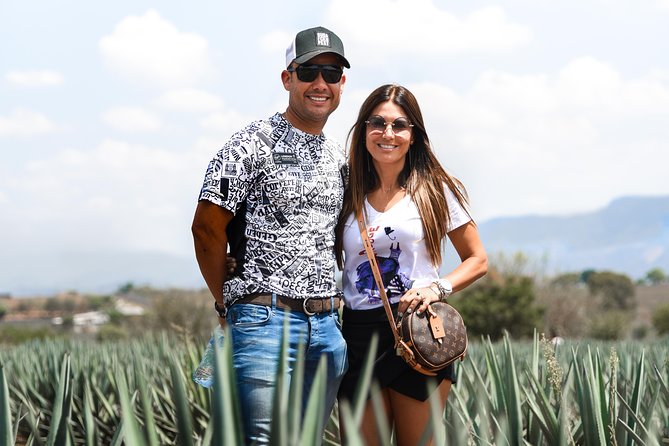
The best part of this day trip is seeing tequila as a farming and craft tradition, not just a drink on a bar menu. You pass through blue agave fields, learn how jimadores harvest the plants, and watch the juice move through cooking, fermentation, and copper distillation at a small factory. The tasting is useful because it compares four styles, not just one quick shot.
I like the comfortable, air-conditioned ride and the mix of factory time, countryside stops, and free time in Tequila. I also like that guides such as Carmen, José Luis, and José have been praised for clear English explanations and patient service. The main drawback is the long day, especially if traffic turns the return drive into several hours.
Key points to know before booking
- Four tequila styles are included: You taste blanco, rested, aged, and extra-aged tequila.
- The artisan factory is the heart of the day: You see agave harvesting, oven cooking, fermentation, and copper distillation.
- Tequila town gets a generous visit: Expect about two to three hours for the plaza, markets, shops, photos, and optional attractions.
- The ride covers a lot of ground: Air conditioning and bottled water help, but this is still a full-day road trip.
- Amatitán adds a local drinking tradition: The clay-jug drink combines tequila, citrus, salt, ice, and grapefruit soda.
- Lunch is not included: Plan for an extra meal expense, and know that the lunch stop may not be the strongest part of the day.
Why this Guadalajara day trip works
At $40 per person, this is priced as an efficient introduction to the Tequila Valley rather than a luxury distillery visit. The cost includes transportation, bottled water, travel insurance, a tequila tasting, and a guide. You are paying mainly for the long ride and the chance to combine several sights in one day.
I see the value in that arrangement. Hiring transportation from Guadalajara to the agave country, finding an artisan factory, and arranging a tasting would take time and planning. This tour handles the basic route for you, then leaves room to walk around Tequila town on your own.
The tradeoff is pace. You are not spending a full day at one polished distillery with a slow meal and a private tasting. You are covering several stops, and some are brief photo opportunities. If you want a focused spirits lesson, a specialized distillery tour may suit you better. If you want to see the countryside and town in one outing, this format makes sense.
The tour begins around 10:00 a.m., though pickup details should be checked carefully before the day. One booking conversation gave a 9:00 a.m. pickup time instead of the published 10:00 a.m. start, and another pickup ran late. Confirm the exact time and location with Panoramex so you are not waiting uncertainly.
More Tequila Town Day Trips in Guadalajara:
- Full Day Tour to Tequila and Amatitán with Fun and Culture
★ 5.0 · 681 reviews - From Guadalajara: Tequila Town and Cantaritos El Guero
★ 4.0 · 211 reviews - Premium Tequila Route with professional tasting
★ 4.9 · 139 reviews
Minerva begins the route in Guadalajara
The usual meeting area is near Glorieta de La Minerva at C. Aurelio Aceves 225. The roundabout is one of Guadalajara’s key landmarks, with an eight-meter statue of the Roman goddess Minerva surrounded by fountains and gardens.
This is not a long sightseeing stop, but it gives you a recognizable place to begin. Minerva is tied to Guadalajara’s civic pride and public celebrations, so the meeting point feels more meaningful than a random hotel entrance. If you are arranging your own way to the start, allow time to find the exact pickup spot.
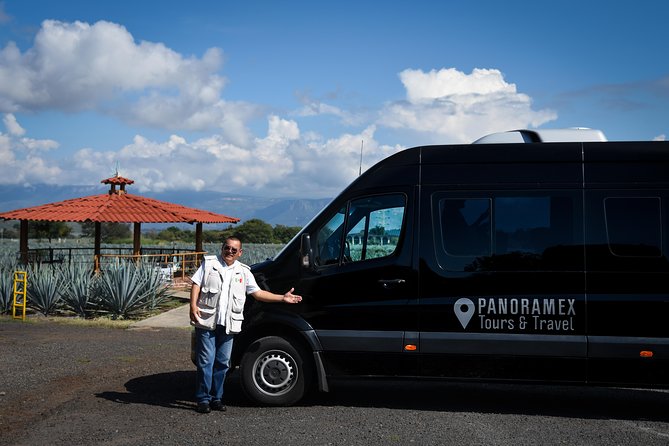
From here, the air-conditioned vehicle carries you west through Jalisco. That comfort matters. The tour lasts roughly eight hours, and the route includes several stretches of road. You also receive bottled water, which is a small but practical inclusion in a warm region.
The group size is not stated as fixed, but some departures have been described as small. That can make the day easier, especially during the factory explanation and tasting. Your guide may give information in both Spanish and English, as José did for one group, so English speakers can follow the technical parts.
Blue agave country and the artisan factory
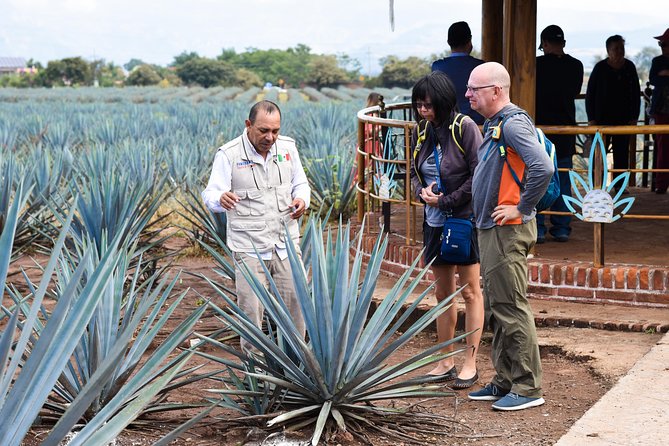
The first major stop takes you into the UNESCO-listed Agavero Landscape and the working world behind tequila. This setting matters because the drink begins in the field, long before it reaches a bottle.
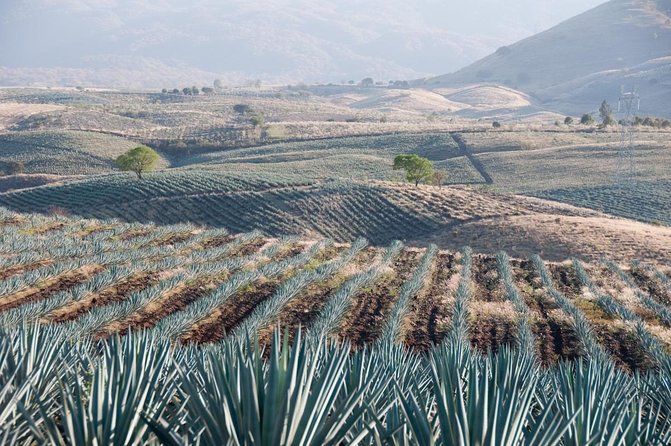
You learn about the jimadores, the workers who select and cut the blue agave. Their job is central to the finished spirit, and seeing the plants in their growing environment helps connect the drink to the soil, weather, and labor of Jalisco.
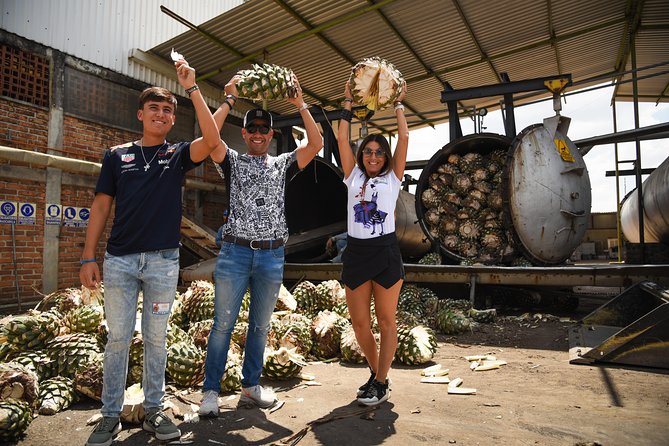
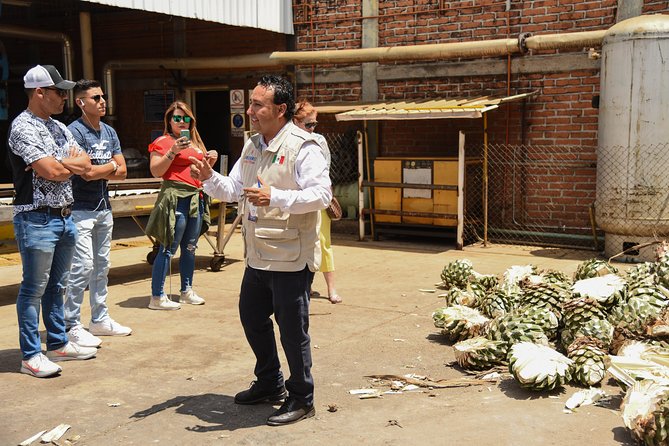
At the artisan factory, the production method is the main lesson. Agave piñas, the large cores left after the leaves are removed, are slowly cooked in stone or brick ovens. Cooking releases the sugars needed for fermentation. The must then ferments in small wooden tubs before being distilled in copper stills.
I like this stop because it explains cause and effect. You see why cooking changes the plant, why fermentation matters, and how distillation turns the fermented liquid into tequila. The small-batch approach also gives the visit a more hands-on feel than a quick display of machinery.
The factory visit is where guides such as Carmen, José Luis, José, and Hector have made the biggest difference. Carmen has been praised for explaining distillation with energy and humor, while José Luis has been especially good with family groups. If you are traveling with children, remember that the teaching portion may interest adults more than young ones, though one guide made an effort to include children by helping them see horses during the day.
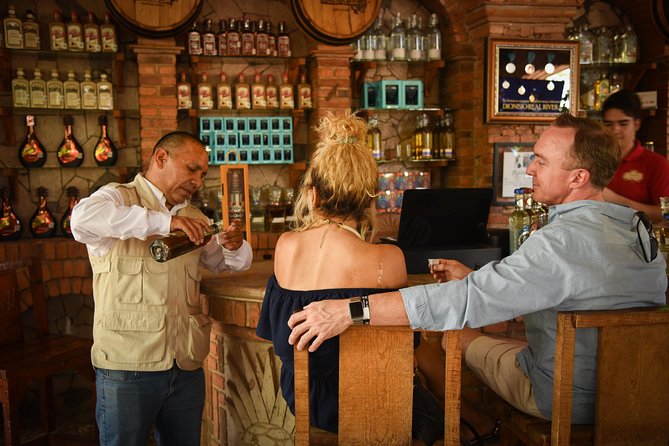
The included tasting covers blanco, rested, aged, and extra-aged tequila. This is more useful than sampling only one expression because you can compare the color, texture, and character of each style. Pace yourself. The day includes other drink-related stops, and the purpose is to taste with some attention, not simply collect samples.
El Arenal and the rural side of the route
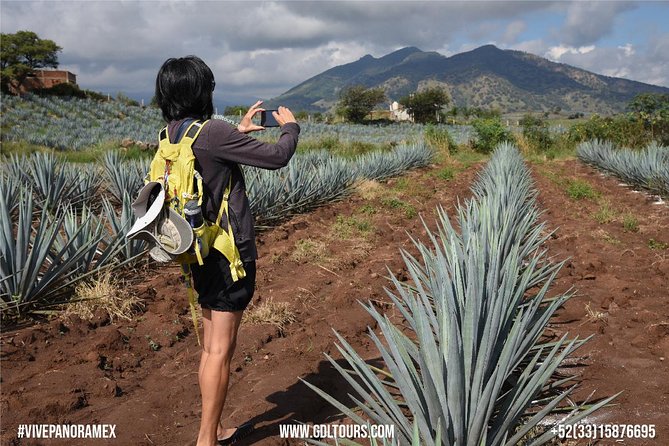
El Arenal is known as the gate to the agave country. It is a quiet village surrounded by fields and connected to the family distilleries that keep older production methods alive.
Do not expect a major sightseeing district here. The value is the setting and the sense of transition from city to agricultural Jalisco. Streets, fields, and small producers give you a better feel for the region than a route made only of large brand facilities.
This part of the day can also be useful for photographs. The agave plants create strong lines across the fields, and the surrounding hills give the setting its shape. The exact time here can vary, so treat it as a scenic and cultural stop rather than a place where you will spend hours.
More Tequila Tours around Guadalajara:
- The Agave Experience Tequila Tour in Jalisco
★ 5.0 · 520 reviews - Full Day in Tequila with Tasting and party in Cantaritos
★ 5.0 · 356 reviews - The Fire TOUR – Pyramids, Volcanoes, Agaves & Tequila
★ 5.0 · 329 reviews - Full-Day Tequila Tour from Guadalajara
★ 4.5 · 272 reviews
Amatitán’s clay-jug drink stop
Amatitán adds a more casual local tradition. At Route 43, you can try a drink served in a clay jug with tequila, fresh citrus juices, salt, ice, and grapefruit soda.
This is less about formal tasting and more about the social side of tequila. The colorful setting and relaxed atmosphere make it a natural break in the road journey. It also shows how tequila appears in mixed drinks, not just in a neat pour at the distillery.
I would keep your expectations sensible. This is a flavored, refreshing drink, not a technical spirits tasting. If you want to understand tequila’s flavor on its own, the factory tasting is the important part. If you like bright citrus drinks and unusual presentation, Amatitán will probably be one of the more memorable stops.
The Jose Cuervo fields and the UNESCO setting
The fields associated with Jose Cuervo provide another view of the Agavero Landscape of the Tequila Valley. The blue agave rows stretch toward the hills, with historic haciendas and distilleries linked to the region’s long tequila tradition.
The value here is visual and cultural. You are seeing the relationship between agriculture, industry, and local identity. Tequila is not made in an abstract factory far from its raw material. The fields, workers, roads, distilleries, and town all belong to the same story.
This stop may be brief, often functioning as a photo opportunity during the wider route. That is fine. The countryside gives the day breathing room between the factory and the town. Keep your camera ready, but do not expect a full Jose Cuervo production tour to be included at this point.
Free time in the town of Tequila
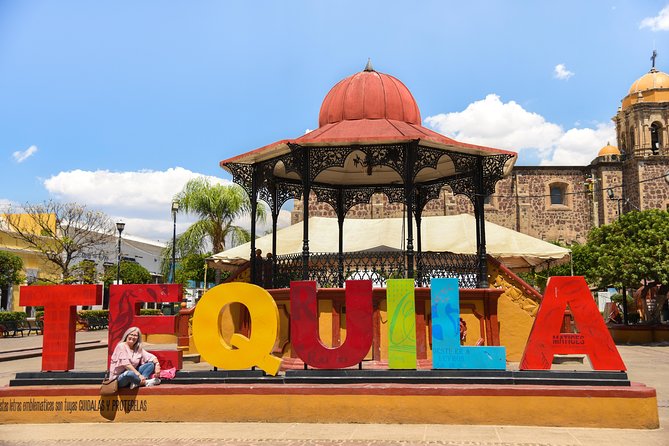
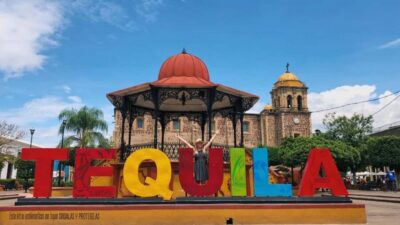
Tequila is the main town visit and the place where the day shifts from guided learning to independent wandering. The center includes cobbled streets, colorful buildings, the main square, the Parish of St. James the Apostle, markets, shops, restaurants, museums, and bars.
You usually receive around two hours or more here, depending on the schedule. That is enough time to take photos by the town sign, walk through the plaza, browse stalls, and see the streets near the Jose Cuervo facilities. One departure allowed more than three hours, which gave plenty of room for a meal and a slow walk.
The amount of free time is both a strength and a weakness. I like having room to choose your own pace. You can look for tequila ice cream, browse crafts, or sit in the square instead of being led from one display to the next.
Still, some people may find two hours long if they are not interested in shopping, eating, or optional attractions. The central tourist area is compact, and vendor stalls can start to feel repetitive. If you prefer a tightly packed sightseeing schedule, you may wish for a shorter stop. If you like unstructured time, this is one of the tour’s better features.
The Jose Cuervo plant and its historic-looking streets can make good photo subjects. An optional Jose Cuervo visit may also be available, but the exact inclusion is not specified. Since the artisan factory already explains the production process, I would ask about the added visit before paying for it. You may decide that town time is more valuable.
Lunch is not included. You can buy food during the day, but the chosen lunch stop has received mixed reactions. Some people found the food acceptable, while others thought it was expensive, had limited choices, or was in a remote place with little to see. If you want control over the menu and setting, using your free time in Tequila for lunch may be the better plan, provided the schedule allows it.
The mural inside the Municipal Presidency
The mural in the Municipal Presidency offers a compact final look at Tequila’s identity. Created by José Manuel Martínez Valadez, it portrays agave cultivation, tequila production, jimadores, daily life, local celebrations, and pre-Hispanic figures connected with agave.
This stop is worthwhile because it brings together the ideas you have seen outdoors and at the factory. The field, the workers, the still, and the town are presented as parts of one local story. The work also gives you a cultural sight beyond tasting rooms and souvenir shops.
It is not a substitute for a museum visit, and the time spent there may be short. But it adds context, especially if you have been focused mainly on drinks and photographs.
Guides, drivers, and the feel of the day
The strongest human element is the guide. Carmen is repeatedly singled out for warmth, humor, and clear explanations. José and José Luis are praised for patience and for explaining the process in English and Spanish. Hector, Ronny, Daniel, and Sebastian have also been described as attentive and helpful on different departures.
You should not assume one particular guide will lead your date, but the pattern is encouraging. A good guide matters here because the route includes several places that could otherwise blur together. The best explanations turn a field into a farming lesson and a tasting into a comparison of production styles.
Drivers also matter on this route. Miguel, Martin, Danny, and others have been credited with safe, careful driving. Traffic is the unpredictable part. The return to Guadalajara can take much longer than expected, with one trip taking about three hours because of congestion.
That makes this a poor choice if you have an important evening reservation, flight, or bus connection. Keep your return plans flexible. The tour is fun because it covers a lot, but road conditions are outside the company’s control.
Who should book this tour
I would choose this trip for a first visit to Guadalajara when you want one day devoted to Jalisco’s tequila country. It suits couples, families, solo visitors, and friends who want transportation handled for them and prefer a broad introduction to the region.
It is especially useful if you want:
- A tequila tasting with four styles
- An explanation of traditional production
- Blue agave field views
- Time to walk around Tequila town
- A bilingual guide and air-conditioned transportation
- A moderate price rather than a high-end private excursion
I would think twice if you dislike long drives, want a quiet luxury experience, or need to return to Guadalajara at a precise time. I would also avoid treating the included lunch arrangements as a highlight. Plan your food budget separately.
Panoramex allows free cancellation up to 24 hours before the start time for a full refund. Changes made inside that window are not accepted, and a minimum number of participants is required for the trip to operate.
Should you book it?
Yes, if you want an affordable, full-day introduction to the agave country around Guadalajara. The artisan factory, four-part tasting, countryside views, and free time in Tequila give you a good range of experiences for $40.
Book it with realistic expectations. This is a road-heavy day with several stops, not a slow private tour. Confirm pickup time, bring patience for traffic, and consider eating in Tequila rather than relying on the arranged lunch stop. For most first-time visitors, the mix of practical tequila education and town time makes this a worthwhile day out.
FAQ
How long does the Tequila Route experience last?
The experience lasts approximately eight hours, beginning around 10:00 a.m. Exact pickup timing should be confirmed because some departures have used an earlier pickup time.
What tequila is included in the tasting?
The tasting includes tequila blanco, rested, aged, and extra-aged.
Is lunch included in the price?
No. Lunch is not included, so you should budget separately for food.
What is included besides the tequila tasting?
The price includes an air-conditioned vehicle, bottled water, travel insurance, and the tequila tasting.
Is the tour offered in English?
Yes. The experience is offered in English, and guides on some departures have explained the route in both English and Spanish.
Can I cancel for a full refund?
Yes. You can cancel at least 24 hours before the experience starts for a full refund. Cancellations or changes made less than 24 hours before the start time are not accepted for a refund.
Fresh off the still around Guadalajara
- Experience an Artisanal Tequila Tour★ 4.5 · 6 reviews
- Sip & Savor Tequila Experience Distillery w/ Lunch fr Guadalajara★ 5.0 · 7 reviews
- Premium Tequila Tasting in Guadalajara★ 5.0 · 5 reviews
- Classic Tequila Tour and CANTARITOS EL GÜERO★ 4.5 · 4 reviews
- Private Tequila Tour★ 5.0 · 19 reviews
- Tequila Day Trip★ 5.0 · 5 reviews
- Private Tequila Tour in Guadalajara★ 4.5 · 17 reviews
- Tequila/Guachimontones route cultural heritage in private★ 5.0 · 2 reviews
Guadalajara Tequila Tours: close alternatives.
Full Day Tour to Tequila and Amatitán with Fun and Culture
Read our review →

The Fire TOUR – Pyramids, Volcanoes, Agaves & Tequila
Read our review →

From Guadalajara: Tequila Town and Cantaritos El Guero
Read our review →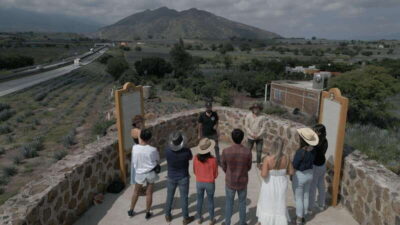
Guadalajara: Premium Tequila Tour with Tastings and Pairings
Read our review →Also on these lists