
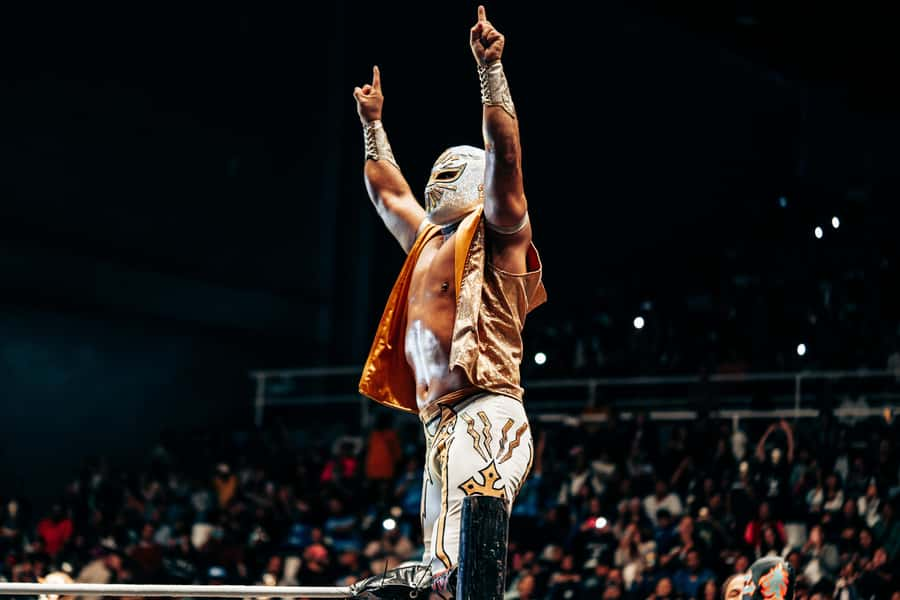
Review · MEXICO CITY
Mexico City: Mexican evening, lucha libre, and tequila
Mexico City’s lucha libre is part sport, part theater, and part neighborhood celebration. This four-hour evening pairs tequila and mezcal tasting with a live wrestling card at Arena México or Arena Coliseo, so you get both the cultural background and the noisy, funny payoff.
I like the guided walk through the historic center, especially the lucha libre shops and murals that give the evening a local feel. I also like that your arena ticket and a wrestling mask are included. The main drawback is that food is not included, cameras are banned inside the arena, and the experience is not suitable for children under 12 or wheelchair users.
Key points to know before you book
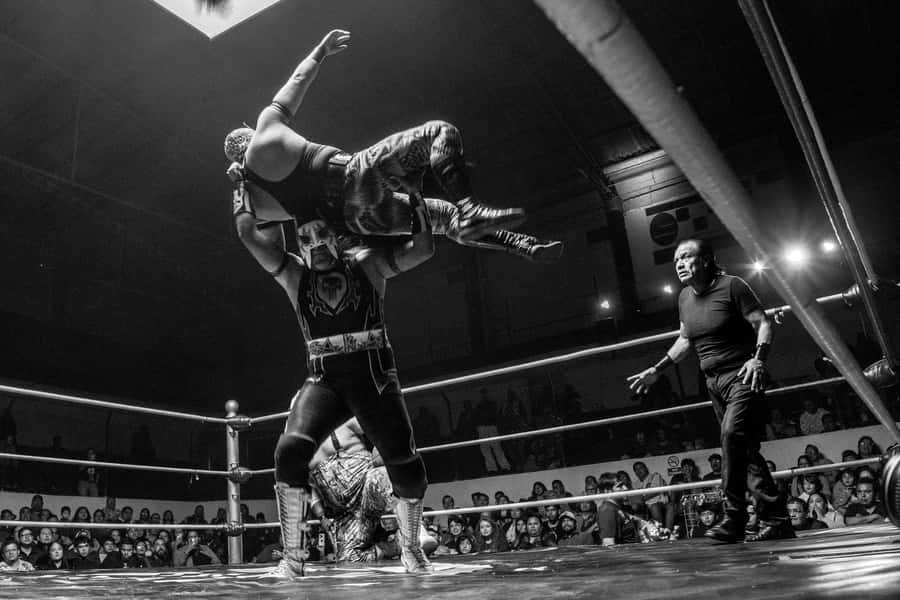
- The wrestling venue depends on the day: Arena México hosts the show on Tuesdays, Fridays, and Sundays, while Arena Coliseo is used on Saturdays.
- The evening begins with drinks and context: You taste tequila and mezcal while learning about the mask, famous wrestlers, and the traditions behind lucha libre.
- Your ticket includes more than the match: A local guide, walking tour, arena admission, Metrobus transport on most show days, and a souvenir mask are part of the experience.
- Food costs extra: You can stop at cantinas and taquerías for pulque and tacos, but bring cash to pay for anything you eat or drink.
- Expect a lively, theatrical night: Acrobatics, colorful characters, rivalries, and crowd noise are central to the appeal.
- Meet at Isabel La Católica 61a: Wear comfortable shoes and bring your passport or another accepted ID.
Why lucha libre makes such a good Mexico City night out
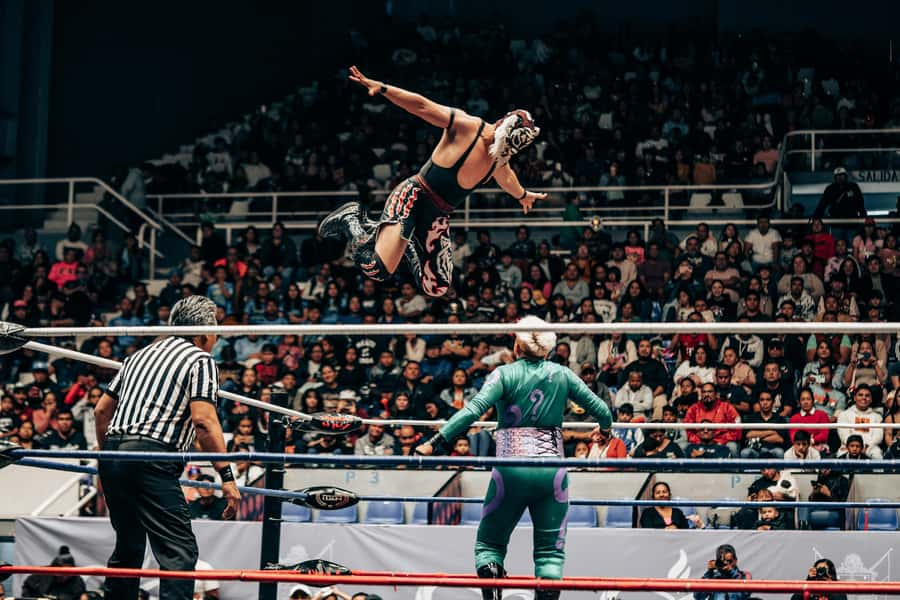
Many visitors see Mexico City through museums, grand plazas, and day trips to ancient sites. Those are worthwhile, but lucha libre gives you a different view of the city. It is loud, playful, visual, and tied to Mexican popular culture in a way that is easy to feel even if you know nothing about wrestling.
The appeal is not just watching two athletes throw each other around. Lucha libre has its own characters, costumes, masks, gestures, rivalries, and rules of performance. The mask carries special meaning, and the guide explains why it can help turn a wrestler into a larger-than-life figure. You get enough background to understand what is happening, without needing to study the sport beforehand.
I especially like the structure here. The evening starts with a drink and a lesson, moves through the streets of the historic center, then ends in an arena full of cheering fans. That progression helps you understand what you are watching rather than simply dropping into a wrestling hall cold.
The experience is also a good fit for anyone who wants a social night out. The masks, colorful shops, tequila, pulque, tacos, and crowd reactions give you plenty to look at and talk about. It is less suited to someone seeking a quiet, polished cultural event.
More Lucha Libre and Tequila Nights in Mexico:
- Lucha Libre Tickets & Tacos & Beer & Mezcal – BEST NIGHT EVER!
★ 5.0 · 1,077 reviews - Lucha Libre Tour and Mezcal Tasting in Mexico City
★ 5.0 · 519 reviews - Authentic Lucha Libre Tour : Wrestling School, Tacos & Mezcal
★ 5.0 · 162 reviews
Starting at Isabel La Católica 61a
The meeting point is Isabel La Católica 61a in central Mexico City. You should arrive ready to walk, stand, and move with the group through busy evening streets. Comfortable shoes are a practical choice, and cash matters because the optional food and drink stops are not covered by the $53 price.
Your local guide stays with you for the full experience and leads in English or Spanish. The guide’s role is important here. Lucha libre can be confusing at first, since the story often depends on wrestler personas, masks, rivalries, and audience reactions. A good explanation gives the match some shape before you take your seat.
Bring a passport or ID card. The activity information also says cameras are not allowed inside the arena, so do not plan on recording the match from your seat. You may want to enjoy this one without trying to document every leap and costume.
Tequila, mezcal, and the meaning behind the mask
The first part of the evening is a tasting of typical Mexican spirits, including tequila and mezcal. This is not presented as a separate bar crawl. Instead, the tasting introduces the country’s drink culture while the guide explains lucha libre and its place in Mexican life.
Tequila and mezcal are different drinks, and tasting them side by side gives the evening a useful starting point. The experience also includes pulque during the wider tour, though the exact stop and any additional drinks depend on the route and what you choose to order. Since the activity description includes typical drinks but excludes food, ask your guide what is included before ordering anything extra.
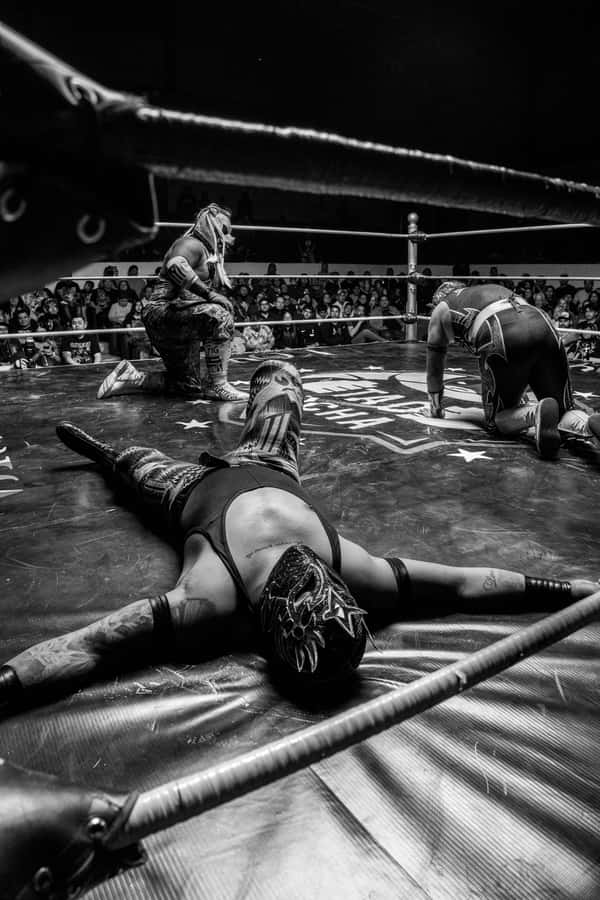
The mask lesson is one of the most interesting parts. In lucha libre, a mask is not merely a costume accessory. It helps create a public identity and adds mystery to the character in the ring. The guide covers how wrestlers become legends and why the tradition has lasted across generations.
You receive a lucha libre mask as a souvenir. That small detail makes a difference. It gives you something useful for joining the spirit of the event, rather than leaving you to watch from the sidelines. It also makes the evening more memorable without adding a separate shopping stop to your plans.
Pace yourself with the alcohol. You will later be surrounded by noise, movement, and crowded seating, so the tasting is best treated as a cultural introduction rather than a drinking contest.
A walking tour through the historic center
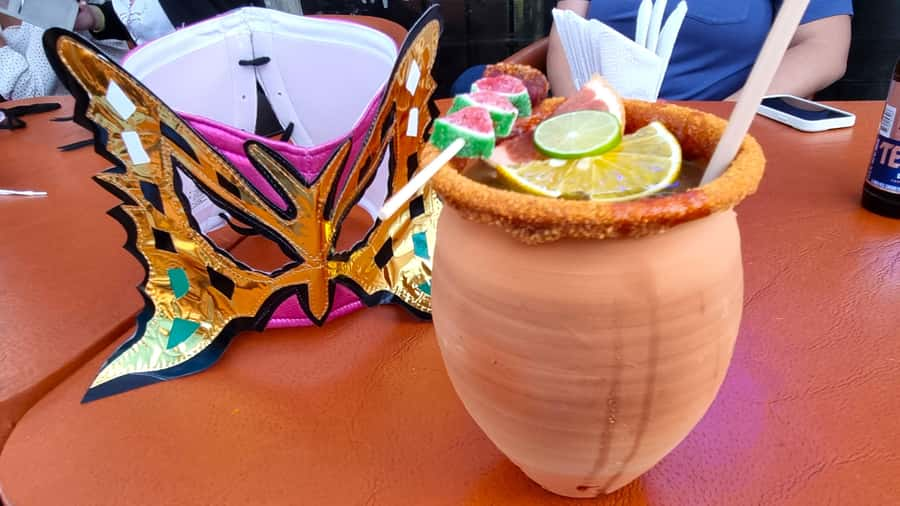
After the tasting, the group walks through central Mexico City. The route includes lucha libre shops, colorful murals, and places connected to the street culture around the sport. This section helps connect the arena to the city around it.
The shops are useful because they show how wrestling characters become part of everyday merchandise and local identity. You might see masks and other themed items, while the guide points out details you could miss on your own. The tour also promises some lesser-known stories connected with lucha libre, which adds more texture than simply buying a mask at the arena.
The walking route is one reason to bring comfortable shoes. The whole activity lasts four hours, and the evening includes a fair amount of movement before the main event. The tour does not list private transportation between every stop, so expect to walk with the group through the center.
You can also stop at cantinas and taquerías along the way. These are optional opportunities to try pulque and traditional tacos, but neither food nor drinks at these stops is included. Bring cash in Mexican pesos if you want to order. This setup keeps the base price reasonable, but it means your final cost depends on your appetite and drinking choices.
More Evening Experiences in Mexico:
- A Night of Tacos and Mezcal in Mexico City
★ 5.0 · 262 reviews - Narvarte At Night: Tacos, Chelas & Mezcal
★ 5.0 · 216 reviews - 3-Hour Night Tacos and Mezcal Crawl in Mexico with Guide
★ 5.0 · 195 reviews - Mexico City: Tacos & Mezcal Night Food Tour
★ 5.0 · 100 reviews
Cantinas and taquerías: useful extras, not included treats
The cantina stop adds atmosphere to the evening. Traditional cantinas are places to pause, talk, and watch local life unfold, and the guide can explain the setting and its connection to the city’s social traditions. The point is not a formal meal. Think of it as a chance to sample something local before the arena.
The same goes for the taquería stop. Tacos can turn this into a more complete evening, but you should not assume that a meal is built into the tour. If you need dinner, plan to buy food during the walk or eat before the meeting time.
This arrangement is worth understanding before you book. The $53 price covers the guide, tastings listed as included, the walking tour, transport by Metrobus on the relevant days, the mask, and the arena ticket. It does not cover your taco bill or extra cantina drinks.
For many people, that is a fair deal. You are paying for an organized night with admission to a popular event, not just a basic wrestling ticket. Still, a traveler watching every peso should add a little spending money for food and drinks.
Arena México or Arena Coliseo
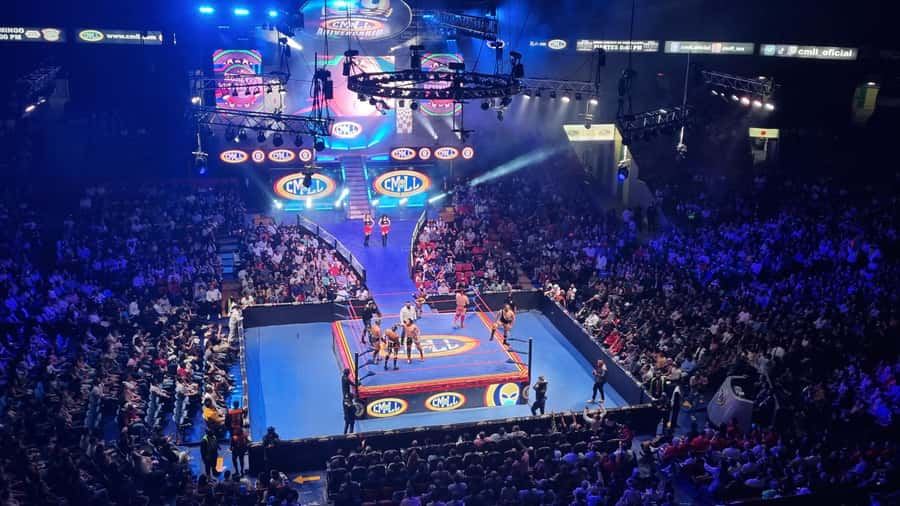
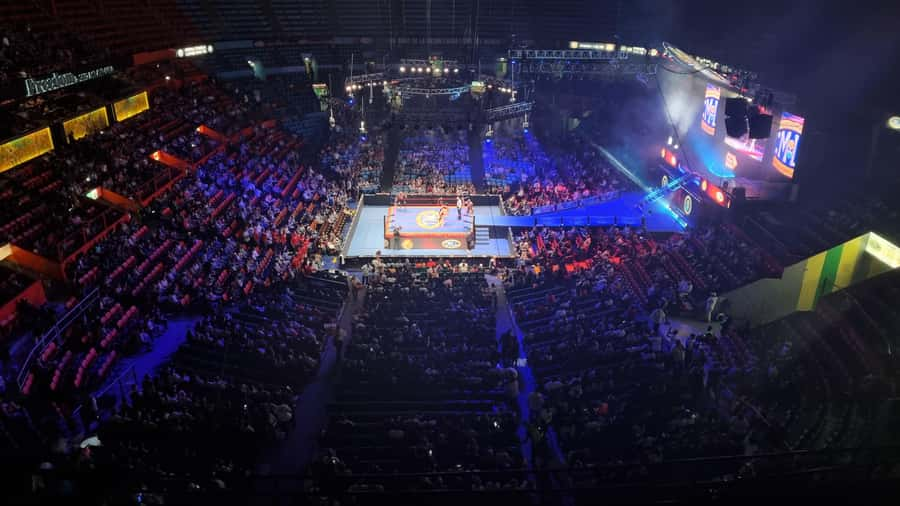
The final stop is the live show. On Tuesdays, Fridays, and Sundays, the group goes to Arena México. On Saturdays, the venue is Arena Coliseo. The experience is described as the same at both venues, so the day you choose determines the building.
On Tuesdays, Fridays, and Sundays, Metrobus transport is used because the arena is a long walk from the earlier stops. Metrobus is not available on Saturdays, and the activity information does not list that transport for the Saturday route. This is worth checking when you select a date, especially if you prefer to limit walking.
The ticket is included, and the activity offers skip-the-line access. That removes one common hassle from an evening event. Your guide helps you get oriented, then you settle in for the show.
Inside, expect acrobatics, exaggerated characters, intense rivalries, and strong crowd reactions. Lucha libre is designed to entertain, and the arena atmosphere matters as much as the athletic moves. You may laugh, cheer, and react to the story even if you have never followed a wrestler before.
The wrestling is also theatrical. Characters play clear roles, and the audience responds loudly to heroes, villains, surprises, and dramatic reversals. Your guide’s earlier explanation of masks and rivalries helps you read those moments.
Do not bring a camera into the arena. The rules specifically prohibit cameras, and the information also warns you not to expect to take photographs inside. A phone may not be a substitute, so check the current instructions with the guide rather than assuming you can film.
How much value do you get for $53?
At $53 per person, this is priced above a simple evening wrestling ticket, but it includes several separate pieces: a local guide for the full four hours, tequila and mezcal tasting, a central walking tour, arena admission, Metrobus transport on most show days, and a souvenir mask.
The value is strongest if you want help making sense of the night. You could seek out an arena ticket on your own, but you would miss the introduction to the masks, the walk through lucha libre shops, and the guide’s explanation of the cultural setting. You would also need to sort out the venue and evening transport yourself.
The price is less attractive if your only goal is to watch wrestling. In that case, compare the cost of an individual ticket with the price of this organized experience. You should also remember that food and extra drinks add to the total.
I see this as a good middle ground for a first visit. You receive a ready-made evening, but you still have freedom to choose whether to buy tacos or pulque along the way. The included mask is a nice practical extra rather than a costly souvenir forced into the package.
Who will enjoy this evening most?
This experience suits adults and older teenagers who like local culture with a playful edge. It is especially good for you if:
- You want an evening activity rather than another daytime museum.
- You enjoy live events and audience participation.
- You are curious about Mexican masks, wrestling characters, and popular traditions.
- You prefer having a guide explain the setting and handle the route.
- You like mixing food and drink stops with a scheduled show.
- You are comfortable walking and using public transport.
It is not suitable for children under 12. It is also not suitable for wheelchair users, and anyone with limited mobility should think carefully about the walking, arena access, and transport arrangements.
This is not a quiet or formal cultural tour. The arena can be noisy and emotionally charged, and the style of wrestling is intentionally dramatic. If you dislike crowds, loud cheering, or theatrical sports, choose a calmer evening activity instead.
Timing, transport, and what to bring
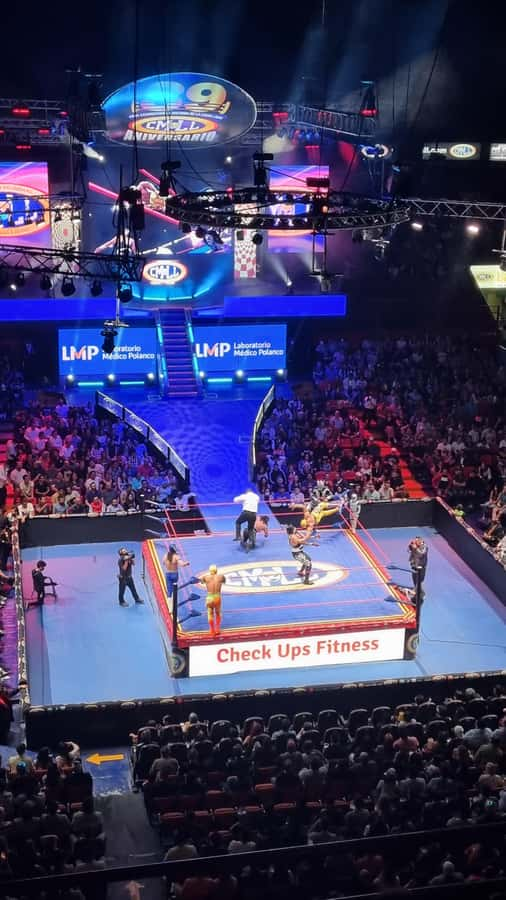
The activity lasts about four hours and is usually offered in the afternoon and evening. The exact flow can shift with the show schedule, but you should plan for a tasting, walking portion, optional food stops, and the arena event.
On Tuesdays, Fridays, and Sundays, Metrobus transport takes the group to the arena. On Saturdays, Metrobus is not available for this part of the experience, and Arena Coliseo is the venue. Check the date carefully before booking so you know which arena and transport plan apply.
Bring:
- Passport or ID card
- Comfortable walking shoes
- Cash for tacos, cantina drinks, and other personal purchases
- A willingness to leave your camera behind at the arena
Free cancellation is available up to 24 hours before the start time, and you can reserve now and pay later. Those terms are useful if your Mexico City plans are still shifting, but the most important choice is the day of the week and its matching venue.
Should you book this lucha libre experience?
Book it if you want more than a wrestling ticket. The best parts are the cultural explanation, the walk through central Mexico City, the mask souvenir, and the way the evening builds toward a live show. You get a local guide throughout, plus enough free choice to add tacos or cantina drinks if you wish.
Skip it if you want a short, quiet activity, need wheelchair access, are traveling with children under 12, or only care about the match itself. Also budget for food, and remember that cameras are not allowed inside the arena.
For a first Mexico City visit, I think this is a strong evening choice. It gives you color, humor, local tradition, and a memorable live event without asking you to arrange each part yourself.
FAQ
Where does the experience begin?
You meet your local guide at Isabel La Católica 61a in Mexico City.
Which arenas are used?
Arena México is used on Tuesdays, Fridays, and Sundays. Arena Coliseo is used on Saturdays. The experience is described as the same at both venues.
Is transportation to the arena included?
Metrobus transport is included on Tuesdays, Fridays, and Sundays. It is not available on Saturdays.
Are food and drinks included?
The included experience covers typical drinks such as tequila, mezcal, and pulque, but food and drinks purchased at cantinas or taquerías are not included. Bring cash if you want to order anything during those stops.
Can I bring a camera into the arena?
No. Cameras are not allowed inside the arena.
Is the activity suitable for children or wheelchair users?
The experience is not suitable for children under 12 or wheelchair users.
Fresh off the still around Mexico
- Private Mezcal and Tequila Tasting in Tulum★ 5.0 · 8 reviews
- Xochimilco’s Wild Side: Mezcal, Insects & Culture★ 4.9 · 10 reviews
- Salsa Class,Mezcalita Workshop & Mexican Dinner★ 5.0 · 9 reviews
- Tequila & Mezcal Tasting – Agave Masterclass In San José del Cabo★ 5.0 · 5 reviews
- Cachasol Raicilla and Tequila Tour★ 5.0 · 20 reviews
- San Jose del Cabo Tequila, Mezcal and Mixology Class★ 5.0 · 13 reviews
- Traditional Tequila Tasting Experience with Jorge Cuervo★ 5.0 · 19 reviews
- Culinary Experience +Tequila & drinks tasting by Alma de mexico★ 5.0 · 11 reviews
Mexico City Tequila Tours: close alternatives.
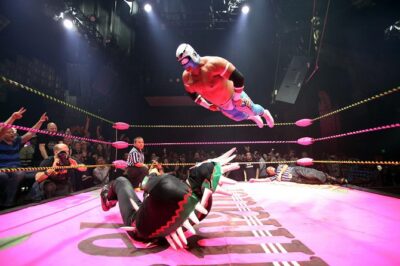
Lucha Libre Tickets & Tacos & Beer & Mezcal – BEST NIGHT EVER!
Read our review →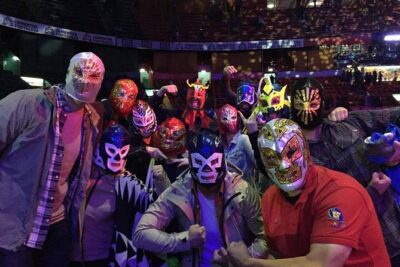
Lucha Libre Tour and Mezcal Tasting in Mexico City
Read our review →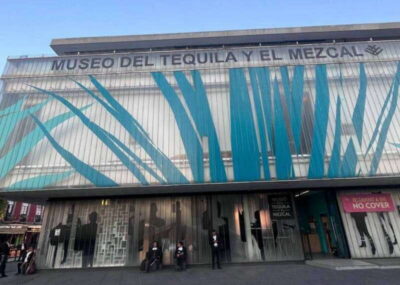
Mexico City: Tequila and Mezcal Museum Tour with Tasting
Read our review →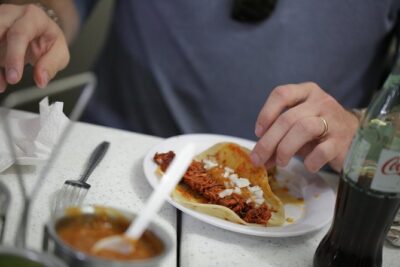

Xochimilco: Tequila tasting (unlimited) and cultural party on a boat
Read our review →
Puerto Vallarta: City Tour, Tequila and Coffee Factory Tour
Read our review →
3-Hour Night Tacos and Mezcal Crawl in Mexico with Guide
Read our review →Also on these lists