Review · OAXACA
Artisanal Mezcal Culture Tour for Tasting and History
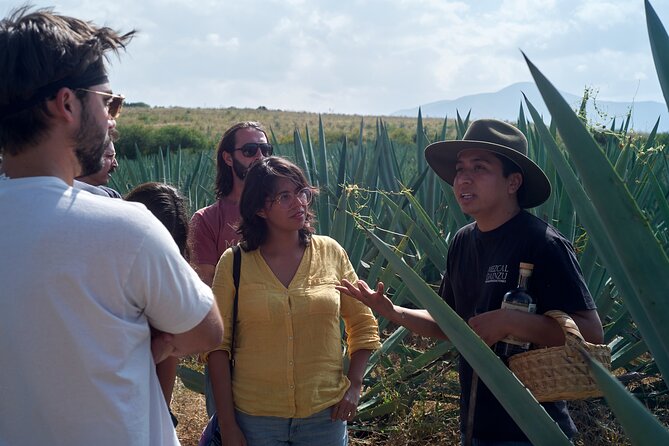
Santiago Matatlán is not just a place to taste mezcal. It is a working agave town where you can walk among the plants, learn how the spirit is made, and raise a glass in the field with mezcal maker Don Leoncio. Guide Verónica connects the visit to local customs, pre-Hispanic stories, and the daily work behind each bottle.
I like the family-run palenque, where traditional methods are shown up close rather than hidden behind a polished tasting-room presentation. I also like the generous rhythm of the day: field walk, production visit, tasting, and a proper Oaxacan meal with views of the agave fields.
The main consideration is time. With roughly 40 minutes each way between Oaxaca City and Matatlán, plus walking on uneven ground and several hours of tasting and conversation, this is a full outing rather than a quick mezcal stop.
Key Points to Know Before You Book
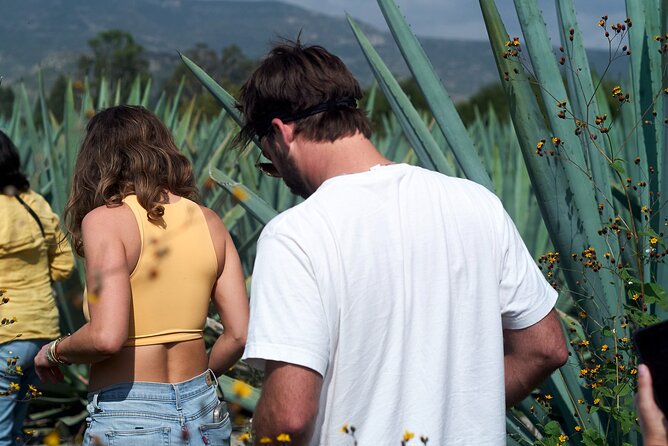
- Meet Don Leoncio in the agave fields: You may see how leaves are cut and learn directly from the person making the mezcal.
- Walk through Santiago Matatlán: The town is known as the Mezcal World Capital, giving the visit a strong local setting.
- Taste different production styles: The tasting covers flavors, scents, sensations, and mezcales made with wild agaves.
- Eat lunch above the fields: Your meal includes a tlayuda, flavored water, and dessert, with food cooked on a comal.
- Travel privately with Verónica: Only your group participates, and the experience is offered in English.
- Plan for a six-to-seven-hour day: The drive, field walk, factory visit, tasting, and meal all take time.
Why Santiago Matatlán Is the Right Place to Learn Mezcal
Mezcal makes more sense once you see the plant before it becomes a drink. Santiago Matatlán gives you that missing first chapter. Instead of beginning with a row of bottles, you begin among agaves and learn how the raw material grows, how varieties differ, and why production methods affect flavor.
The town is widely known as the Mezcal World Capital, and that name matters here because mezcal is not a side attraction. It is part of the local economy and identity. You are visiting a place where family producers keep working methods alive, not simply a tasting counter built for passing visitors.
The experience is private, which should make the day feel more personal and flexible than a large coach outing. You can ask questions as they come up, and Verónica’s role is important. She helps connect the technical side of distilling with the cultural side of mezcal, including pre-Hispanic stories tied to the agave and the drink.
That combination is the strongest reason to choose this experience. You are not only being told what mezcal tastes like. You are given several ways to understand it: through the plant, the production work, local tradition, and your own palate.
More Premium and Artisanal Tequila Tastings in Oaxaca City:
- Mezcal & Mole by a Certified Sommelier
★ 5.0 · 70 reviews - Artisanal Mezcal distillery in an authentic Zapotec village
★ 4.5 · 14 reviews - Mezcal y Mole with a Certified Sommelier
★ 4.6 · 12 reviews
Walking the Agave Fields With Don Leoncio
The field portion gives the day its sense of place. You walk through different areas of Santiago Matatlán and see agave growing in the open rather than as a decorative plant in a pot. The scale can be surprising, especially if your only experience with agave has been in gardens or small containers.
Don Leoncio, the mezcal maker who welcomes the group at the family palenque, adds a personal connection to the visit. You may have the chance to handle a machete and try cutting leaves from an agave. It is a simple activity, but it quickly shows you that mezcal production involves hard physical work long before the spirit reaches a glass.
Use care and listen closely during this part. The experience calls for moderate physical fitness, and walking through fields is less predictable than strolling on a city sidewalk. The information provided does not promise a particular route or level of accessibility, so anyone with mobility concerns should ask before booking.
The field is also where the cultural storytelling fits best. Verónica uses the setting to introduce pre-Hispanic myths and explain why agave carries more meaning than its role as an ingredient. The setting lets you connect the stories to the living plant in front of you, rather than hearing them as a detached history lesson.
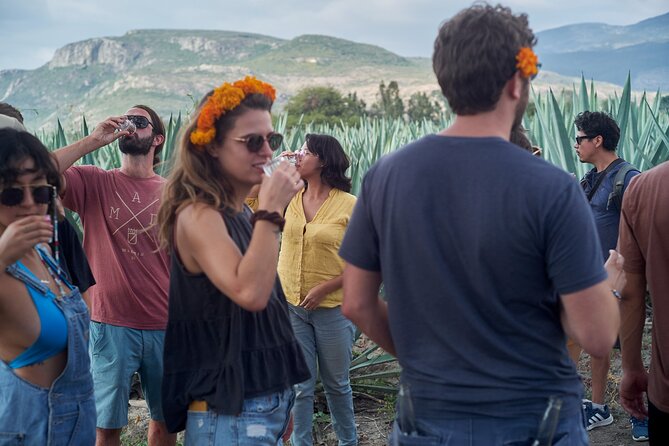
A toast with nature follows the field experience. It is a memorable idea, but remember that this is also a drinking day. Pace yourself, eat the provided meal, and pay attention to how much you taste at each stage.
Inside the Family Palenque
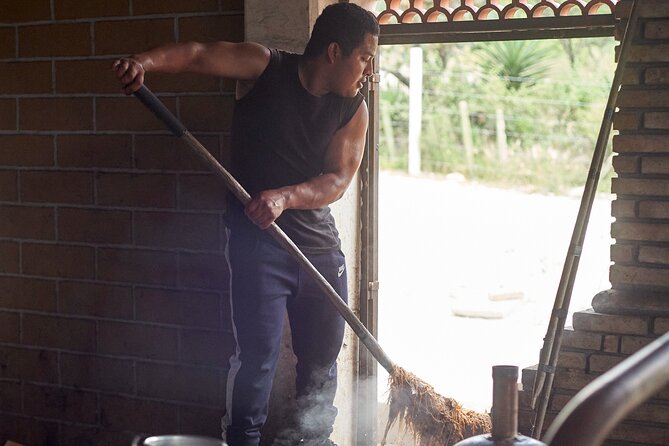
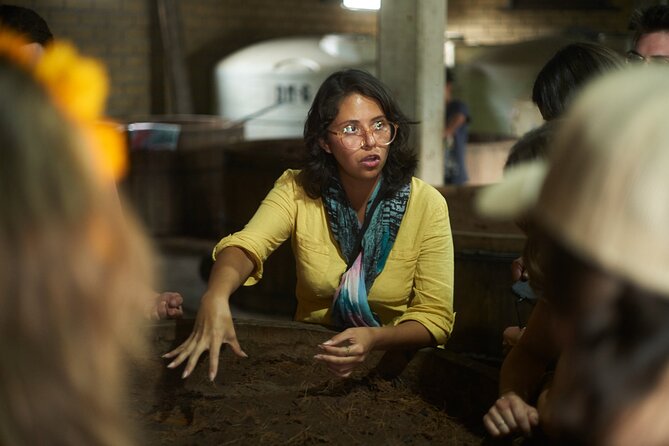
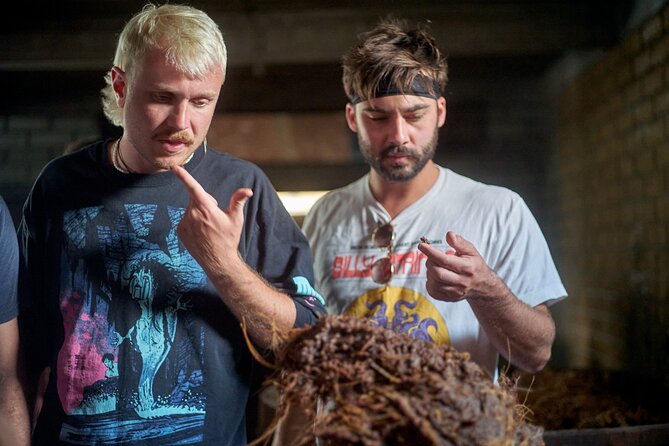
The palenque is where the day shifts from agriculture to production. You learn how distillation develops inside the factory and how different preparation methods shape the final mezcal. The visit is especially useful if you want to understand why two mezcales can look similar in a glass yet smell and taste very different.
The focus is on traditional production and a small family operation. That gives you a closer look at the human work behind mezcal, though it also means you should not expect a sleek industrial facility or a highly staged show. The value is in seeing a working producer and hearing how the process is carried out.
Verónica and Don Leoncio approach the subject from different angles. Verónica organizes the day and explains the cultural setting in clear terms. Don Leoncio brings the maker’s perspective and welcomes you into the palenque. Their partnership is one of the most praised parts of the experience, and it helps the visit avoid feeling like a standard bottle-sales stop.
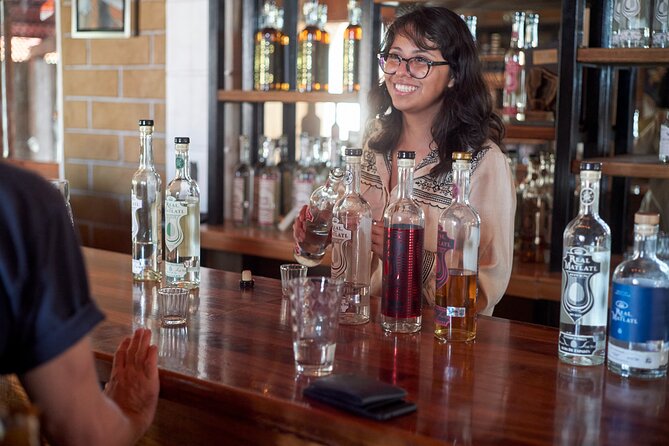
You will learn how to distinguish one type of mezcal from another, with attention to scents, flavors, and sensations. That is useful preparation for the tasting. Without this background, a mezcal flight can blur into a series of strong pours. With it, you have a better chance of noticing what changes from one preparation method or agave type to the next.
The mention of wild agaves is important. These mezcales can show different aromas and sensations from spirits made with cultivated agaves, and the tasting gives you a chance to compare them. The exact bottles and number of pours are not specified, so do not book expecting a fixed menu.
Learning to Taste Without Making It Complicated
Mezcal tasting can sound intimidating, but this experience takes a practical route. You learn about the scents and flavors first, then test that new understanding at the palenque. You do not need to arrive with a trained palate. Curiosity is more useful than expertise.
I would pay attention to three things as you taste:
- The aroma before you sip
- The texture and sensation as you taste
- The differences created by agave type and production method
The aim is not to name every scent correctly. It is to notice change. A mezcal made with a wild agave may offer a different experience from one made with another plant or method. The guide’s job is to give you a framework, while your job is simply to compare and ask questions.
Minors are not allowed to consume alcoholic beverages. They receive agua miel, a traditional agave drink sometimes described as honey water, instead. That makes the experience possible for mixed-age groups, but adults should not treat the alternative as a mezcal tasting.
Because the tour includes multiple tastings, it is not ideal for someone who wants only one small sample before returning to Oaxaca City. The day has a clear focus on mezcal, and alcohol is part of the included experience. Eat lunch, take your time, and avoid rushing through the pours.
More Mezcal Tours and Tastings in Oaxaca City:
- Hierve el Agua, Tule Tree, Mitla and Mezcal Distillery Tour
★ 4.5 · 1,094 reviews - Explore Hierve el Agua, Mitla, Tule, Textile and Mezcal for a day
★ 5.0 · 1,043 reviews - From Oaxaca de Juarez: Hierve el Agua and Mezcal Distillery
★ 4.9 · 615 reviews - Oaxaca: Tule, Mitla & Hierve el Agua, & Mezcal Tour
★ 4.7 · 456 reviews
A Comal-Cooked Lunch Above the Agave Fields
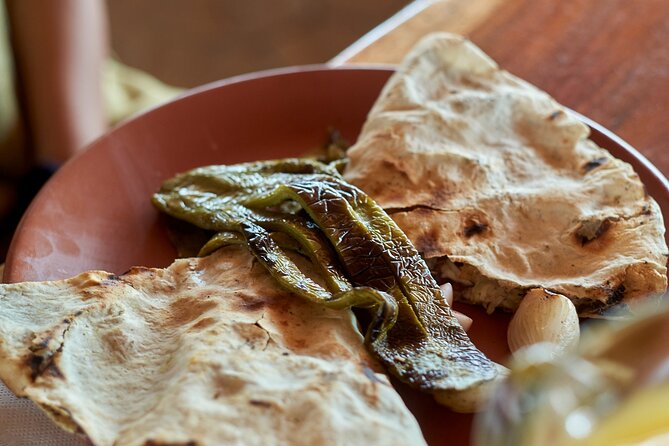
Lunch is more than a convenient break. After the field walk, factory visit, and tasting, a traditional meal gives the day a second local anchor. You eat on a terrace with views of the valley and agave fields, which lets you continue seeing the setting while you rest.
The included meal features food cooked on a comal. It includes a tlayuda, flavored water, and dessert. A tlayuda is one of Oaxaca’s signature foods, and the comal cooking method ties the meal to the region’s everyday food traditions.
The supplied details do not specify every dish or the exact restaurant setting, so keep your expectations flexible. You can expect a traditional Oaxacan meal, but not necessarily a choice of several courses or a menu tailored to every preference.
One especially interesting local detail is the mention of pink mole at the Matatlán meal stop. It is not listed as a guaranteed part of every booking, so consider it a possible highlight rather than a promise. If it is available, ask about it. The meal has been described as a memorable part of the day, not an afterthought.
Lunch also helps the value of the $107.72 price. You are paying for a private, English-language day with transportation from the meeting point, a guide, access to a family palenque, tastings, and a meal. It is more expensive than simply buying a pour in Oaxaca City, but the comparison is not quite fair. This is a six-to-seven-hour experience with local access and instruction.
Time, Transport, and the Shape of the Day
The meeting point is at C. de Manuel García Vigil 510 in central Oaxaca City. From there, the drive to Santiago Matatlán takes about 40 minutes, with another 40 minutes for the return. That gives you roughly 80 minutes of road time, before counting the field visit, palenque, tasting, and lunch.
The road journey is not a drawback by itself. It is what allows you to leave the city and reach a place where agave production is part of daily life. Still, you should know that this is not a compact two-hour activity you can fit between museum visits.
The full experience lasts approximately six to seven hours and ends back at the meeting point. Wear clothing and shoes suitable for moderate walking and an outdoor field setting. The physical requirement is listed as moderate, and the exact ground conditions are not described, so practical footwear is the sensible choice.
The experience is offered in English and uses a mobile ticket. It is usually booked about 20 days in advance, so last-minute availability may be limited. If the date matters to you, booking ahead is wise.
The activity depends on good weather and a minimum number of participants. If poor weather or low enrollment cancels the experience, you are offered another date or a full refund. You can also cancel for a full refund up to 24 hours before the start time. Changes or cancellations inside that 24-hour window are not accepted.
Who Will Get the Most From This Mezcal Day
I would choose this experience if you want to understand mezcal beyond its reputation as a smoky drink. It suits people who enjoy meeting producers, seeing how food and drink are made, and asking questions in a small private setting.
It is also a strong choice for a special day with friends or family. The private format means only your group participates, and the mix of field time, cultural stories, tasting, and lunch gives the outing more variety than a bar-based tasting.
It may not suit you if you dislike alcohol, have difficulty walking outdoors, or want a tightly scheduled sightseeing tour with several unrelated attractions. The day stays focused on mezcal from beginning to end.
Families with minors can participate, but children cannot drink the alcoholic samples. They receive agua miel instead. Adults should also remember that the tasting is only one part of the outing, not the entire purpose. The cultural and production explanations are just as important.
Is This Artisanal Mezcal Tour Worth $107.72?
For the right person, yes. The price includes lunch, alcoholic beverages through the mezcal tasting, an English-speaking guide, a private format, and the round-trip outing from central Oaxaca City. Most important, it takes you to a family producer in Santiago Matatlán and gives you direct contact with the agave fields and palenque.
The strongest value comes from the access and structure. You walk where the agave grows, meet Don Leoncio, learn how leaves are cut, see production methods, taste with guidance, and then sit down to a local meal. That is a fuller education than a short city tasting.
I would not choose it solely for the number of samples, since that information is not specified. Choose it for the setting and the personal connection. If you want a polished commercial presentation or a quick drink before dinner, spend your money elsewhere.
Should You Book It?
Book this tour if you want an authentic introduction to Oaxaca’s mezcal culture, especially if you value family production, local food, and time with a guide who can explain both the drink and its cultural meaning.
Skip it if six to seven hours feels too long, if moderate walking is a concern, or if you are not interested in a day centered on alcohol. For everyone else, the combination of Santiago Matatlán, Verónica, Don Leoncio, the agave fields, and the comal lunch makes this a well-rounded choice for learning what mezcal is really about.
FAQ
Where does the experience begin?
It begins at C. de Manuel García Vigil 510, RUTA INDEPENDENCIA, Centro, 68000 Oaxaca de Juárez, Oaxaca, Mexico.
Where does the experience end?
It ends back at the meeting point in Oaxaca City.
How long does the experience last?
The experience lasts approximately six to seven hours, including the drive, field visit, palenque visit, tasting, and lunch.
How long is the drive to Santiago Matatlán?
The drive from Oaxaca City to Santiago Matatlán takes about 40 minutes each way.
Is the tour offered in English?
Yes. The experience is offered in English.
Is this a private activity?
Yes. Only your group participates in the activity.
Can minors drink mezcal during the experience?
No. Minors are not allowed to consume alcoholic beverages. They are given agua miel, a traditional drink made from agave.
What is included with the tour?
The experience includes a traditional Oaxacan lunch with a tlayuda, flavored water, and dessert, along with a mezcal tasting covering different preparation methods and mezcales made with wild agaves.
More History Tours in Oaxaca City
- Tequila/Guachimontones Tour-cultural heritage route
★ 5.0 · 136 reviews - Historical downtown Mexico City & Teotihuacan Pyramids Mezcal tasting
★ 5.0 · 9 reviews - Otoch Cozumel Mayan Cultural Tour with Cenote, Tastings & Tequila
★ 4.0 · 9 reviews - Mexico City Tequila and Mezcal historic bar experience
★ 5.0 · 5 reviews
Fresh off the still around Oaxaca City
- Monte Albán, Hierve el Agua, Mezcal distillery & Teotitlán rugs★ 5.0 · 7 reviews
- Private Lunch in Mezcal Maguey Fields★ 5.0 · 2 reviews
- Hierve el Agua, Mitla, Tule, Teotilán and Mezcal factory★ 3.5 · 2 reviews
- The Mezcal Tour★ 5.0 · 6 reviews
- Tasting of Mezcal with the best selling brand in Oaxaca★ 4.5 · 4 reviews
- Tasting of Organic Mezcales★ 5.0 · 6 reviews
- Private Tour, all inclusive: Tlacochahuaya, Mezcal, Teotitlán del Valle★ 5.0 · 3 reviews
- Tour of Mezcalerias in the City★ 4.0 · 4 reviews
Oaxaca City Tequila Tours: close alternatives.

Hierve el Agua, Tule Tree, Mitla and Mezcal Distillery Tour
Read our review →
Explore Hierve el Agua, Mitla, Tule, Textile and Mezcal for a day
Read our review →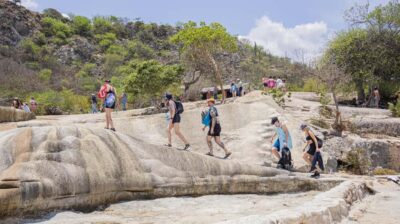
From Oaxaca de Juarez: Hierve el Agua and Mezcal Distillery
Read our review →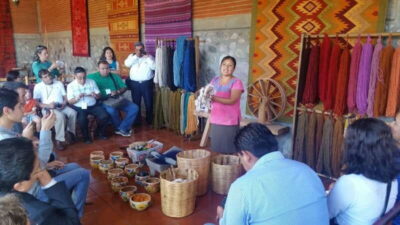
Oaxaca: Tule, Mitla & Hierve el Agua, & Mezcal Tour
Read our review →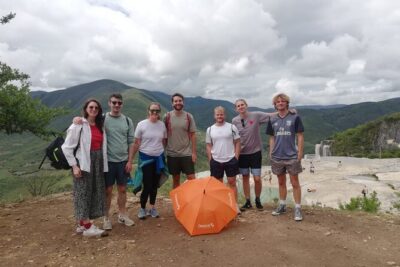

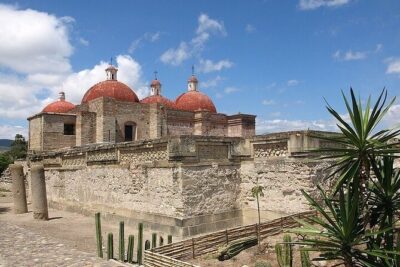
full day tour : Boil the water, Teotitlan, Mezcal, tule and Mitla
Read our review →