
Review · OAXACA
Mezcal Tour Oaxaca
Oaxaca’s mezcal story makes the most sense when you see the agave in the ground, watch the spirit being made, and taste it with someone who can explain what is in your glass. This five-hour outing takes you from Oaxaca City to working distilleries near Santiago Matatlán and Tlacolula de Matamoros, with an agave plantation walk and a stop at a pulqueria.
I like the full production view, from agave growth and reproduction to fermentation and distillation. I also like the guides, especially Antonio and Remy, who explain the subject clearly in English and answer questions without turning the tasting into a lecture. The main drawback is simple: food is not included, so eat a solid breakfast before meeting at Reforma 403.
Key points at a glance
- Up to 13 mezcals: Taste several styles, including pechuga and unusual blends such as activated cannabis mezcal.
- Working palenques: See traditional production methods in Oaxaca’s best-known mezcal areas.
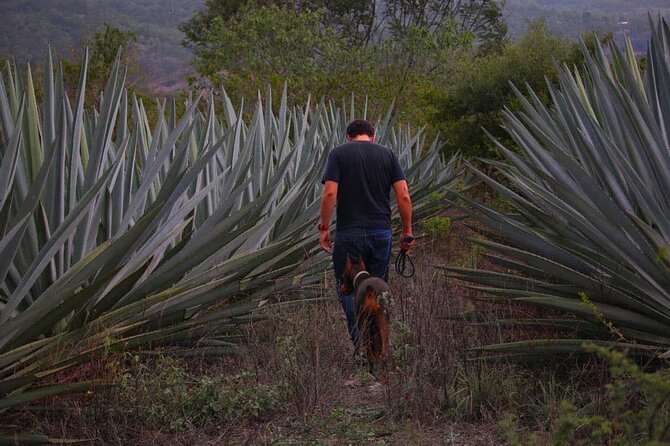
- Agave in the field: Walk through a plantation and learn how agave grows, reproduces, and becomes mezcal.
- Pulque stop: Try pulque and other drinks associated with local custom and traditional home remedies.
- English-speaking instruction: Antonio, Remy, and other local staff explain the process, history, and tasting notes in English.
- Five-hour format: The tour gives you a substantial introduction without taking up the entire day.
Why this tour is more than a tasting
A bar tasting can tell you whether you like a mezcal. It cannot always show you why two mezcals made from different agaves taste so different. This tour links the glass to the plant, the soil, the production method, and the people who make it.
That connection is the best reason to book. You are not simply driven to a shop for a flight of spirits. You visit agave fields, see a working distillery, hear about fermentation and distillation, and then use that information while tasting.
The setting is the central valley of Oaxaca, around Santiago Matatlán and Tlacolula de Matamoros. These towns are closely tied to mezcal production, and the tour visits artisanal distilleries where older methods remain in use. The exact order of stops can vary, but the experience is built around production rather than shopping alone.
I also appreciate the cultural side. Mezcal is presented as part of Oaxacan life and tradition, not only as a fashionable drink. You hear stories, legends, and theories connected to the spirit, along with an explanation of its role in the local economy and regional identity.
More Mezcal Tours and Tastings in Oaxaca De Juarez:
- Oaxaca: Tule, Mitla & Hierve el Agua, & Mezcal Tour
★ 4.7 · 456 reviews - Check out Hierve el Agua, Mitla, the Tule Tree, Rugs, and a Mezcal Distillery Tour
★ 4.9 · 222 reviews - The Mezcal Journey
★ 4.9 · 78 reviews
Meeting at Reforma 403 at 9:30am
The tour begins at 9:30am at Reforma 403 in Oaxaca City. This is only the meeting point, so you do not need to knock on the door. The guide arrives there to collect you, and round-trip transportation is included.
Eat before you go. The tour lasts five hours, and food is not included. This is not a minor detail because the main activity is tasting alcohol, sometimes in considerable variety. A proper breakfast makes the morning more comfortable and lets you focus on the flavors and explanations.
Wear closed shoes. The advice is practical for walking through an agave plantation and moving around a working production site. You should also bring a jacket if you tend to get cold, particularly if your plantation visit falls later in the day. One visitor specifically appreciated being lent a jacket when the sun went down, but it is better to bring your own.
The tour is for adults aged 18 and over. Bikes, climbing, diving, and going barefoot are not allowed, though those restrictions are unlikely to affect most people booking a mezcal outing.
Walking among the agave plants
The plantation visit gives you the piece that many drink-focused tours miss: the plant itself. You learn about the agave lifecycle, its reproduction, and the different types used to make mezcal.
That matters because agave is not a single flavor category. Different types of agave contribute different aromas and tastes, and the plant takes time to reach maturity. Seeing the fields helps you understand why mezcal is not made like a quick industrial spirit.
The walk is also a useful pause between transport, production explanations, and tasting. You are outside, moving through the crop, rather than spending the whole morning inside a distillery or seated at a table.
The supplied information does not specify how long the plantation walk lasts or how strenuous it is. Expect a farm setting rather than a paved museum visit, so closed shoes are the sensible choice. If you want a highly polished sightseeing stop, this may feel basic. If you want to understand where mezcal begins, it is essential.
The plantation can also make the process feel more personal. Once you have seen the agave growing, the later discussion of harvesting, cooking, fermentation, and distillation has a clear starting point.
Inside a working mezcal distillery
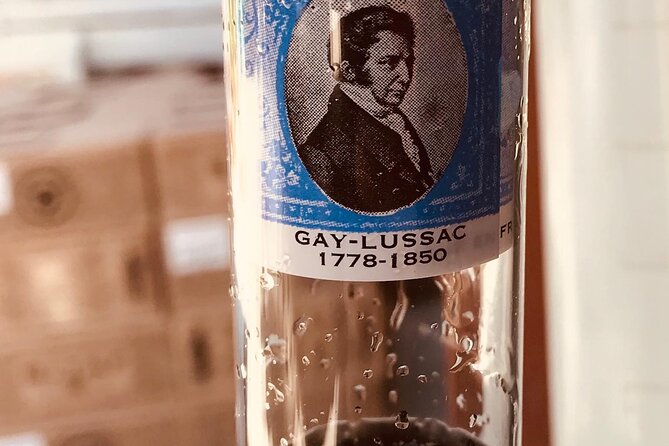
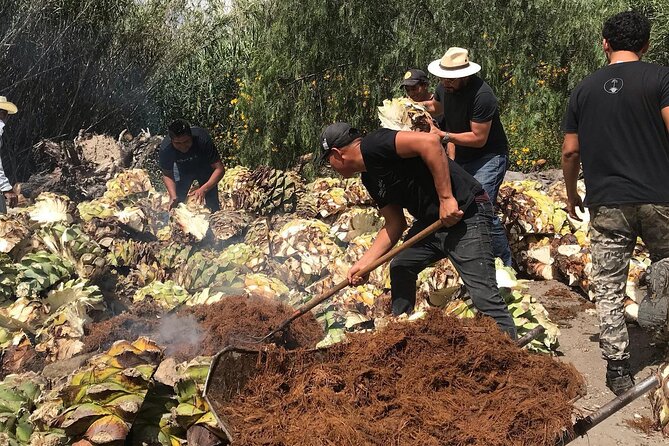
The distillery visit is the heart of the experience. You see artisanal production in the mezcal region around Santiago Matatlán and Tlacolula de Matamoros, with explanations of methods passed down through generations of mezcaleros.
The tour describes a master class from a mezcal maestro whose family has practiced the craft for five generations. That family link gives the lesson a useful sense of continuity, but the value is in the practical detail: how the agave becomes a fermented liquid, how distillation works, and how technique affects the final drink.
Antonio is repeatedly identified as a guide, driver, and mezcal master. He explains the agave varieties, production methods, tasting process, history, and even the economic importance of mezcal. Remy has also led the experience in English and Spanish, explaining each stage carefully and guiding visitors through the palenque.
You should expect to see the production process from beginning to end, although the exact equipment and stage of production may vary at the time of your visit. This is a real working environment, not a theatrical demonstration designed only for photographs.
That distinction is valuable, but it also means the visit may feel less polished than a large commercial attraction. The reward is a closer look at traditional work and the chance to ask questions directly. I would choose this kind of visit over a generic tasting room if your interest is how mezcal is actually made.
More Tequila Tours around Oaxaca De Juarez:
- Oaxaca: Monte Albán, Hierve el agua, Mezcal and Teotitlán
★ 4.9 · 48 reviews - Oaxaca: Mezcal Adventure
★ 4.5 · 44 reviews - Oaxaca: Legends Tour Mezcalbús
★ 3.9 · 34 reviews - Caminos del Condoy: Boiling water, Mitla. Mezcal
★ 4.3 · 32 reviews
The tasting: up to 13 mezcals

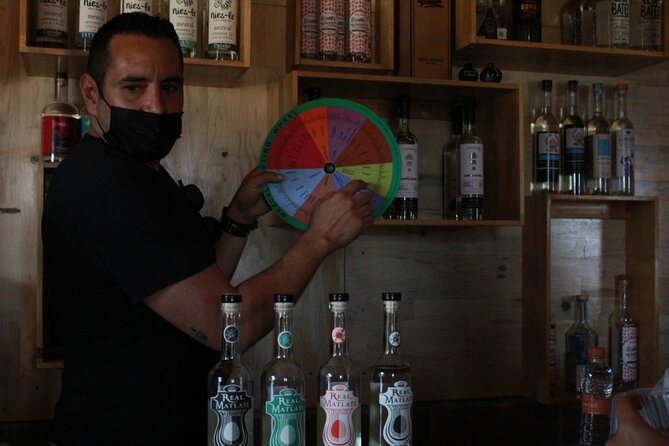
The tasting can include as many as 13 mezcals. The selection may include pechuga varieties and unusual blends made with the maestro’s own techniques, including activated cannabis mezcal.
The word up to matters. You should not assume every session will feature the exact same lineup or that all 13 pours will be available every time. Still, the possibility of tasting this many styles makes the $102 price easier to assess, especially when transportation, the plantation visit, distillery instruction, and tasting are included.
This is not a tasting where you simply receive drinks and move on. The guide explains how to notice flavors and compare different mezcals. Antonio, in particular, is praised for helping people understand what they are drinking, from agave varieties to production choices.
You may find earthy, smoky, herbal, fruity, or spicy notes, but the tour information does not promise a fixed flavor menu. It is better to arrive curious than to expect a particular bottle or style.
Pechuga mezcal is especially interesting because it is associated with a distinctive distillation approach and added ingredients. The tour also includes experimental blends, such as activated cannabis mezcal. These are unusual samples, but they are only one part of the tasting. The main purpose is to show the range of mezcal and the influence of technique.
If you enjoy identifying flavors in drinks, this tour should suit you well. If you dislike alcohol tastings or prefer a short, tightly focused sample, the number of pours may feel like too much. Drink at your own pace and pay attention to the explanation rather than trying to treat the tasting like a race.
A stop at the pulqueria
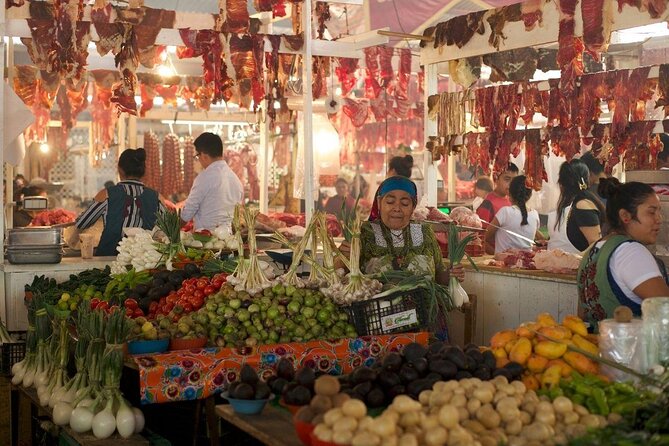
The pulqueria adds another layer to the morning. Pulque is a traditional fermented drink made from agave sap, and the stop gives you a chance to try different versions of drinks used locally, including beverages associated with home remedies.
This is a useful contrast with mezcal. Mezcal is distilled, while pulque is fermented, so the drinks offer a different way to understand how agave has been used in Mexico. The pulqueria also gives the tour a stronger connection to everyday local drinking culture.
The information provided does not specify the exact pulqueria, the number of drinks, or the flavors available. Think of it as an added cultural stop rather than a separate full tour. It is especially worthwhile if you want to try something beyond the better-known spirits.
The guides make the difference
The most praised part of this experience is the instruction. Antonio is described as friendly, patient, and highly skilled at explaining mezcal. His role can include driving, guiding, answering questions, and leading the tasting, which gives the day a consistent voice.
Remy has also received praise for speaking both English and Spanish and for explaining every production stage in detail. Other local staff, including Ricardo during the plantation portion, add personality and practical knowledge to the visit.
I would not book this tour only for transportation. The included ride is useful, but the guide is what turns a trip to a distillery into a lesson you can remember. A good guide helps you connect the agave field to the production floor, then connect both to the drink in your glass.
The experience has earned a 4.7 rating from 52 reviews, with repeated praise for the guides, production explanations, plantation visit, and tasting. The most consistent theme is not luxury or scenery. It is the quality of the teaching and the sense that you are meeting people who understand the work.
Is $102 a fair price?
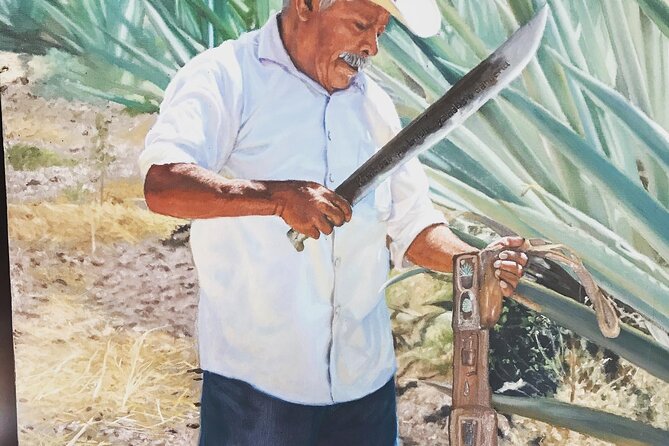
At $102 per person, this is not the cheapest way to taste mezcal in Oaxaca. You can certainly buy a pour or a bottle for less. The value comes from what is bundled into the five-hour outing: round-trip transportation, an English-speaking guide, an agave plantation visit, a working distillery tour, production instruction, a pulqueria visit, and a broad tasting.
I consider the price reasonable for someone who wants context rather than alcohol alone. Transportation also removes the need to arrange your own trip to the mezcal towns, though the tour does not include food.
The value is weaker if your only goal is to sample one or two mezcals. It is also not ideal if you want a full-day route that combines mezcal with several unrelated Oaxaca attractions. This is a focused experience, and its strength is that focus.
Before booking, compare the price with how much you would spend arranging transport, paying for tastings, and finding a guide who can explain the production process in English. For an adult with a genuine interest in mezcal, the included elements make the cost easier to justify.
Who should book this experience?
I would recommend it to adults who want to understand mezcal before buying bottles in Oaxaca. It suits curious drinkers, food-and-drink enthusiasts, and anyone interested in how a regional product connects farming, family knowledge, and local commerce.
It is also a good choice if you prefer practical visits over polished attractions. You walk through a plantation, enter working distilleries, and hear production explained by people closely tied to the craft.
You may want to skip it if you do not drink alcohol, have no interest in spirits, or need a meal included in every half-day outing. Children under 18 cannot join, and the tour does not offer a separate non-drinking program.
The five-hour length is a comfortable middle ground. You get more than a quick tasting but still have much of the day free for Oaxaca City. The main thing to plan around is breakfast, because there is no food included.
Should you book the Mezcal Tour Oaxaca?
Book this tour if you want the full mezcal chain: agave field, production site, guide-led tasting, and local drinks beyond mezcal. The strongest reason to choose it is the teaching, especially with guides such as Antonio and Remy, who explain the subject clearly in English.
The best fit is an adult who enjoys learning through tasting and wants to see traditional production in the Oaxaca region. Bring closed shoes, eat well before the 9:30am meeting, and carry a jacket for the plantation visit.
Skip it if you want a simple bar tasting, a guaranteed meal, or a short activity with little walking. For everyone else, the combination of hands-on production, agave knowledge, pulque, and up to 13 mezcals gives you a useful and memorable introduction to Oaxaca’s signature spirit.
FAQ
Where does the Mezcal Tour Oaxaca begin?
The meeting point is Reforma 403 in Oaxaca City. The tour starts at 9:30am, and you do not need to knock on the door because it is only a meeting point.
How long does the tour last?
The experience lasts five hours.
Is transportation included?
Yes. Round-trip transportation is included.
Is the tour offered in English?
Yes. English instruction is provided. Remy has also guided the experience in both English and Spanish.
What places does the tour visit?
The tour includes a mezcal distillery, an agave plantation, and a pulqueria. The distillery visits are in the mezcal areas around Santiago Matatlán and Tlacolula de Matamoros.
How many mezcals will I taste?
You can taste up to 13 different mezcals. The selection may include pechuga varieties and unusual blends such as activated cannabis mezcal.
Is food included?
No. You should eat a good-sized breakfast before the tour because food is not included.
What should I wear?
Closed shoes are recommended. Bringing a jacket is also sensible, particularly if the plantation visit takes place as the sun goes down.
Can children join the tour?
No. The activity is not suitable for children under 18.
Can I cancel the booking?
You can cancel up to 24 hours in advance for a full refund. The tour also offers a reserve-now, pay-later option.
Fresh off the still around Oaxaca De Juarez
- The Best Mezcal Tasting, Mezcal Tasting in Oaxaca★ 4.5 · 14 reviews
- Oaxaca: Mezcal Tasting Session with Expert★ 4.0 · 9 reviews
- Oaxaca: Legends Tour Mezcalbús★ 3.9 · 34 reviews
- Oaxaca: Mezcal Distillery Tour with Tastings★ 5.0 · 2 reviews
- Oaxaca: Mixology Workshop with Organic Mezcal★ 4.4 · 16 reviews
- Mezcal y Mole with a Certified Sommelier★ 4.6 · 12 reviews
- Oaxaca: El Tule tree, Teotitlan Village & Mezcal Tour★ 5.0 · 12 reviews
- Hierve el Agua, Mitla, Tule, Teotilán and Mezcal factory★ 3.2 · 6 reviews
Oaxaca City Tequila Tours: close alternatives.

Hierve el Agua, Tule Tree, Mitla and Mezcal Distillery Tour
Read our review →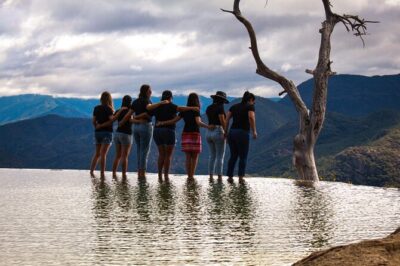
Explore Hierve el Agua, Mitla, Tule, Textile and Mezcal for a day
Read our review →
From Oaxaca de Juarez: Hierve el Agua and Mezcal Distillery
Read our review →
Oaxaca: Tule, Mitla & Hierve el Agua, & Mezcal Tour
Read our review →

full day tour : Boil the water, Teotitlan, Mezcal, tule and Mitla
Read our review →
Check out Hierve el Agua, Mitla, the Tule Tree, Rugs, and a Mezcal Distillery Tour
Read our review →Also on these lists